I have run a tour company since 2009. Taking people around Japan and beyond meant eating at the source, and what I ate became a Chef's Table kitchen in Bangkok. The kitchen became a classroom, and the research I did to teach became books.
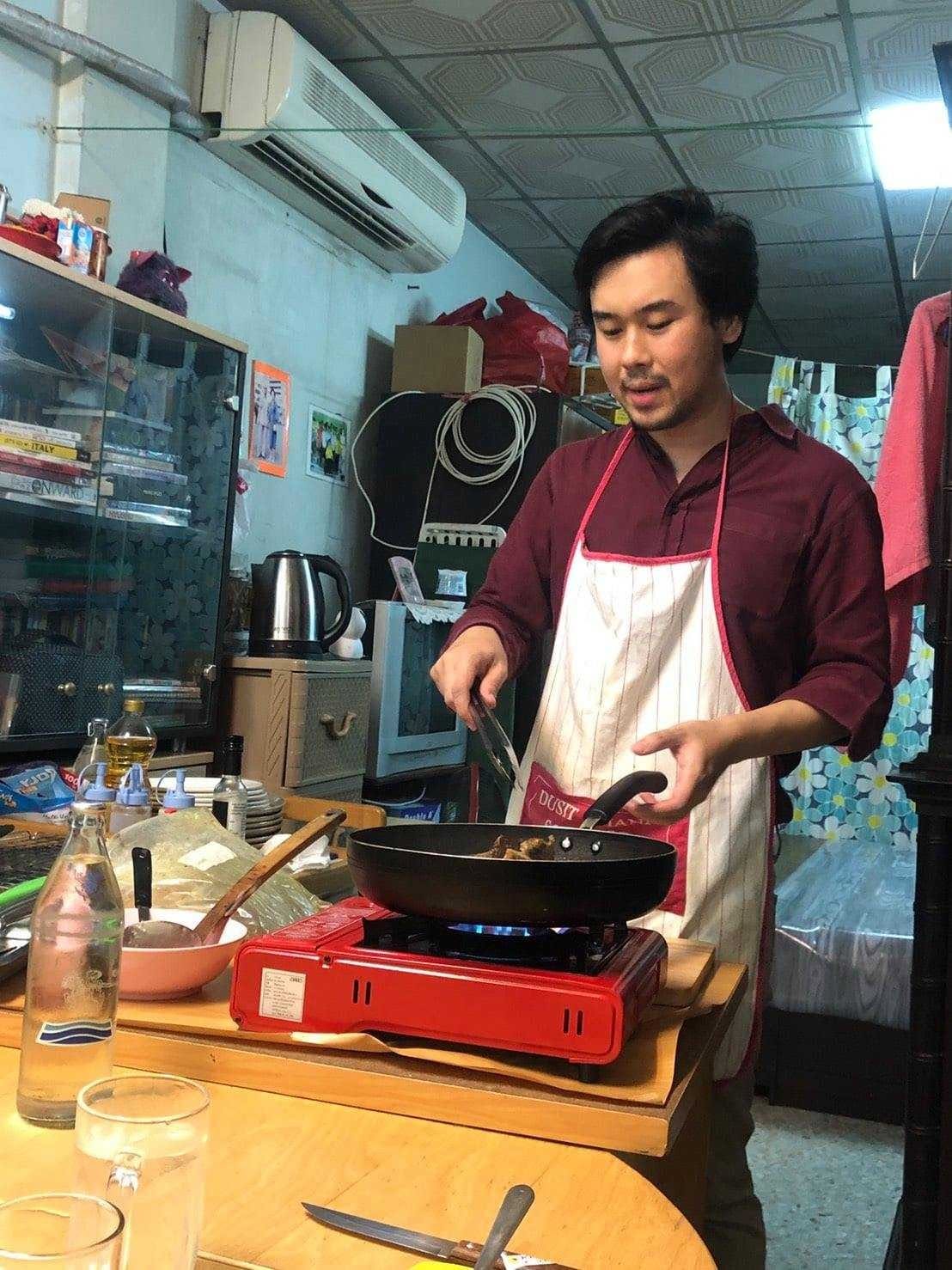
This site is home to the cooking and the writing. The tour company has its own website, which the first card links to.

The company I have run since 2009. We design private trips for each family and group, in Thailand, in Japan and in several other countries.

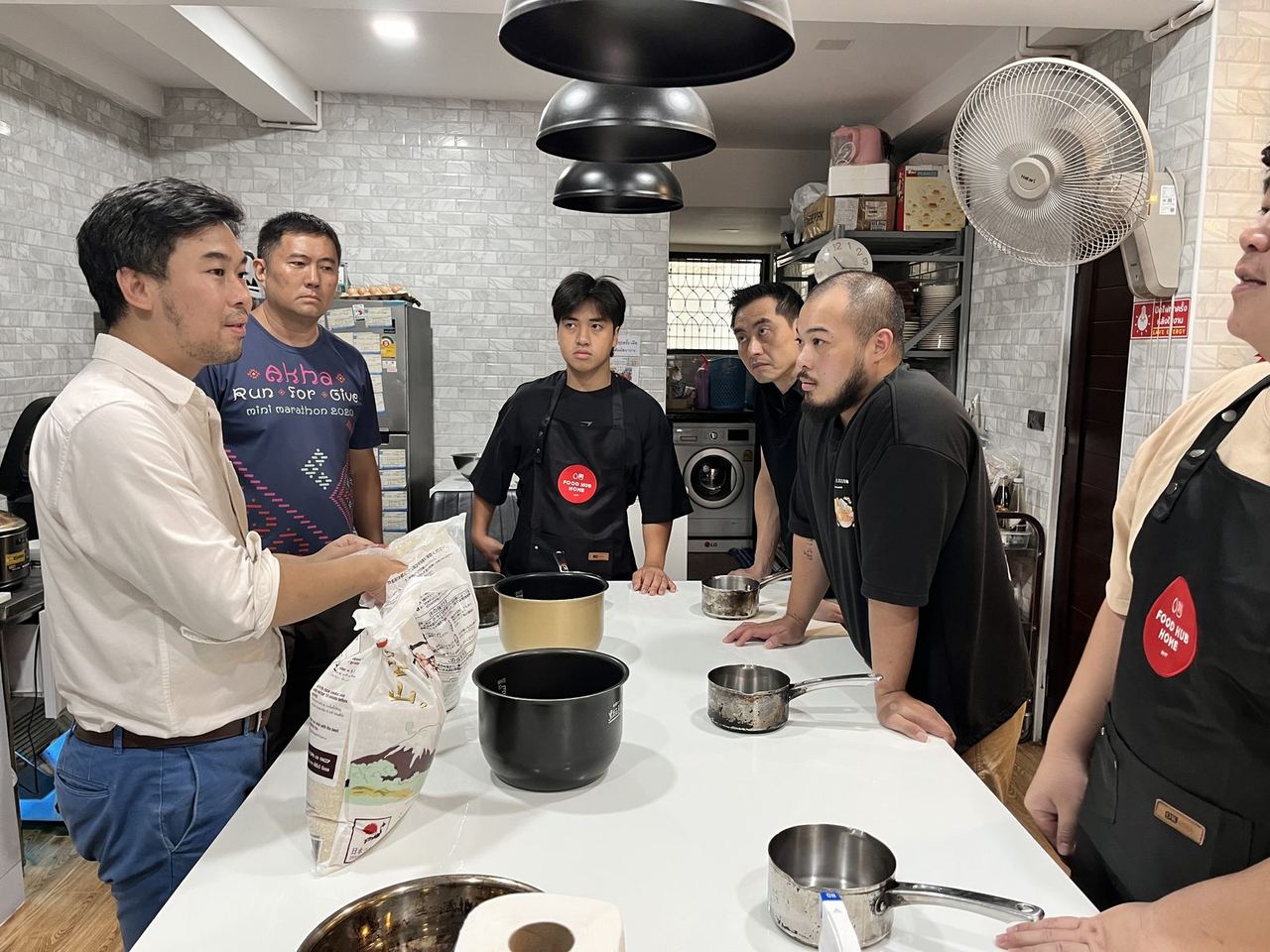
Six subjects in twelve hands-on courses: tonkatsu, Japanese curry, beef and wagyu, fresh pasta, French pastry, and AI for restaurant owners. For home cooks and for people cooking to sell.

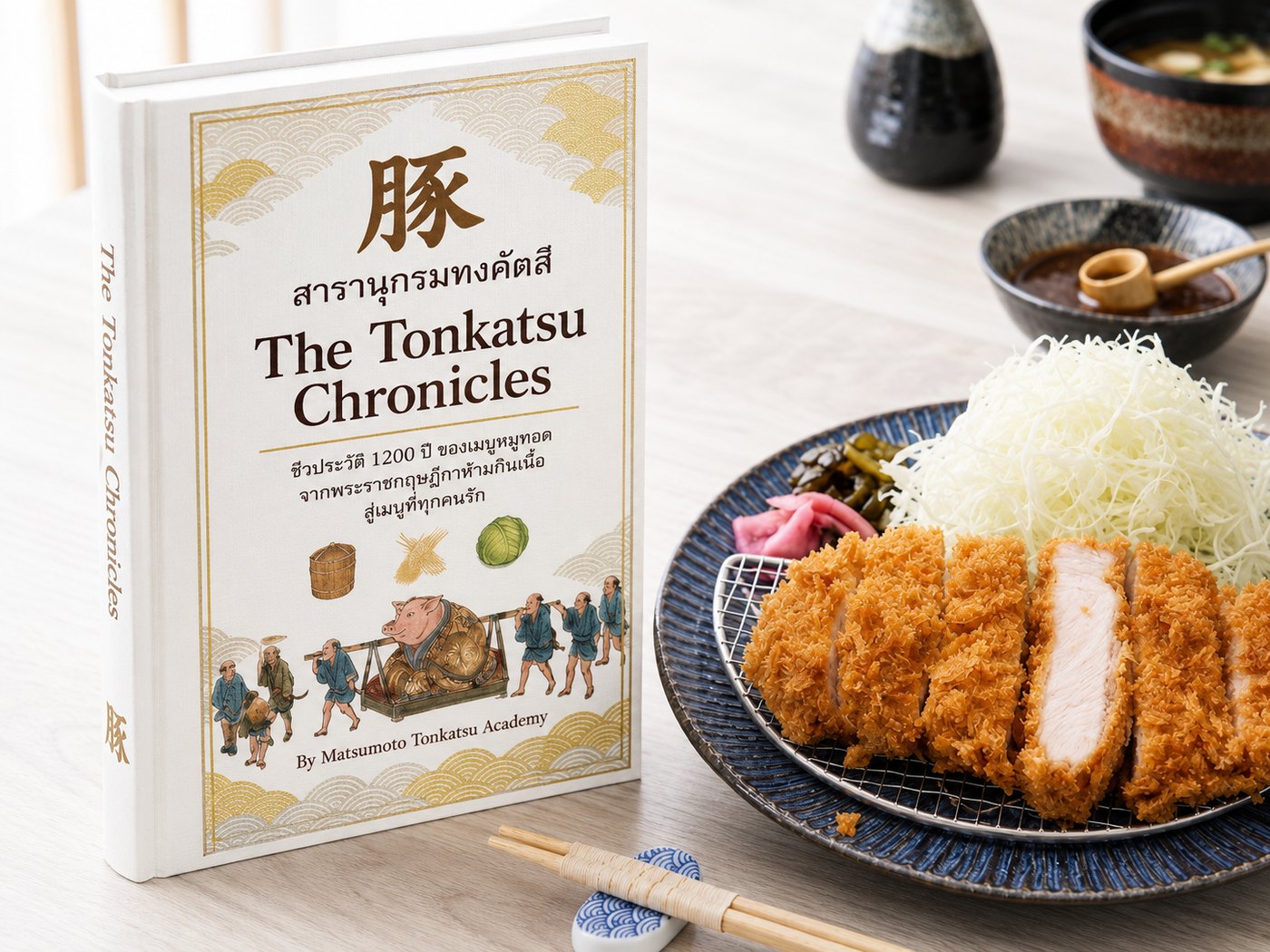
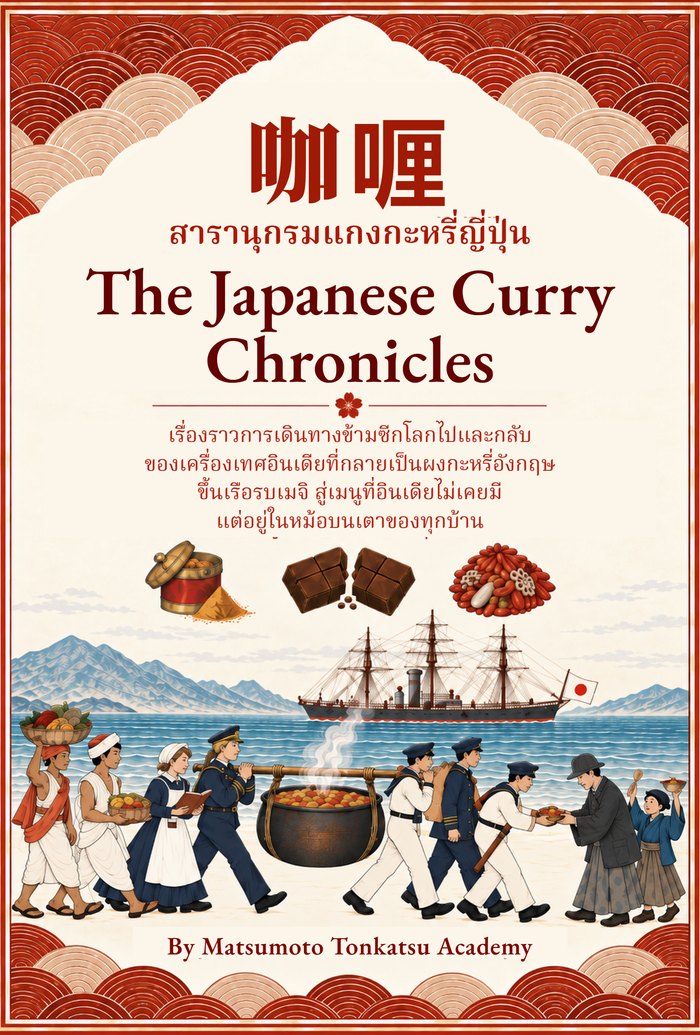
Each food book follows one dish from its history to the recipe as it is cooked in my kitchen. The first is tonkatsu, the second Japanese curry. Two more books are about life and the businesses that failed along the way.
Small groups, everything cooked by your own hands, and the full recipes handed over with nothing held back. The studio is at Isaraphap 33, near Siriraj, on the Thonburi side of the river. The school is named after its first course, tonkatsu, the dish I researched longest. Every other course comes from dishes I have cooked and sold, and each one can be taken on its own.
Day 1 is the same in all three. Tonkatsu Chef adds day 2, and Signature adds day 3.
The Chronicles series takes a single dish and follows it all the way down: where it came from, who cooked it first, what every ingredient is actually doing, and finally the recipe as it is cooked in my own kitchen. They are food histories with working recipes at the end. Two more books are about life, told through failure and through the game of Go. The newest one leaves the kitchen entirely and heads for space.

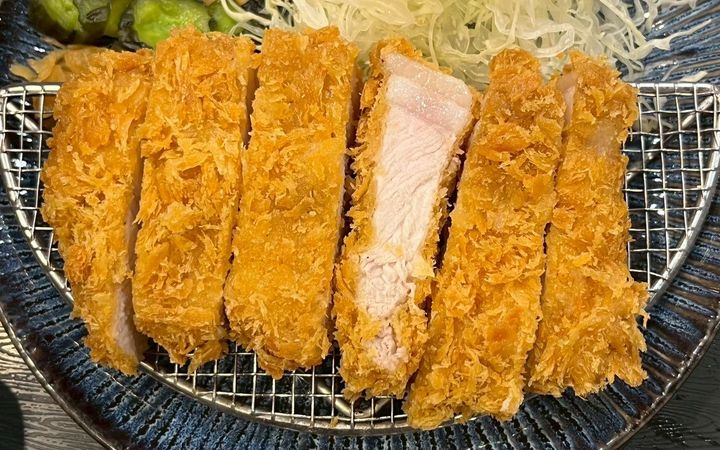
Twelve centuries of one fried pork cutlet, from Japan's imperial ban on eating meat to a Bangkok kitchen. 272 pages, hardcover, full colour.

How an Indian spice blend reached Japan on British ships, fed the Meiji navy, and became the most domestic dinner in the country. 36 chapters.

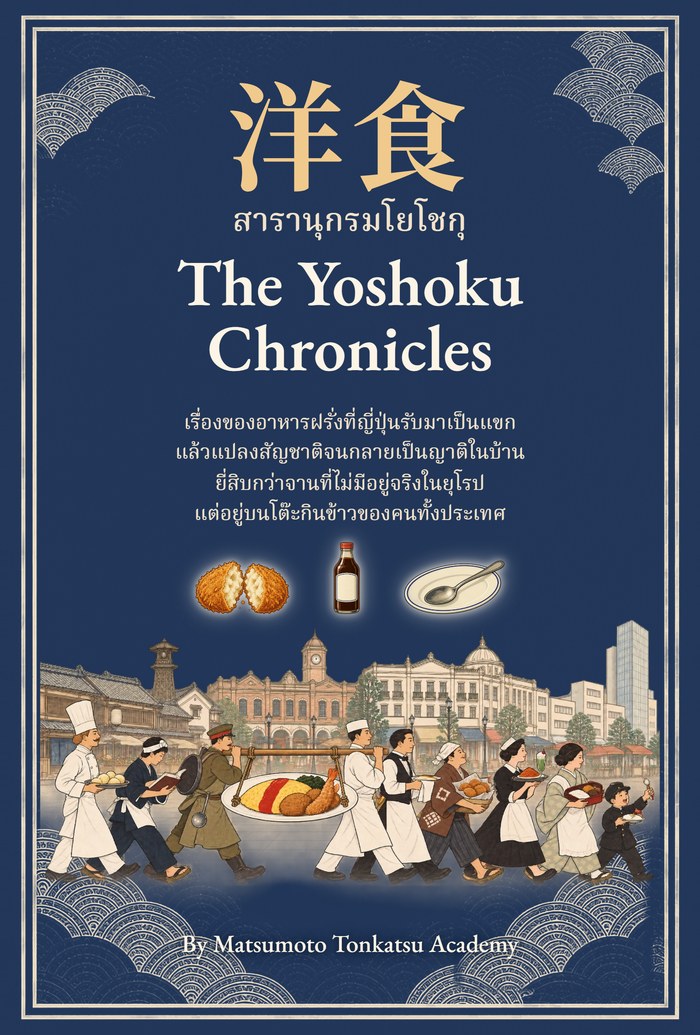
The Western dishes that Meiji Japan made its own, from croquettes to omurice. It closes a trilogy with the first two books. 45 chapters.
A ladder of twenty stages, from minced beef in a home pan up to A5 Kagoshima wagyu. Most people fail at meat because they skip steps.

A memoir in 50 chapters about more than ten businesses that failed, each chapter named after a song.
Thirty years of Go, told from the side that loses: why games and businesses are lost, not how to win them. 18 chapters, no knowledge of the game needed.

A brief history of a lonely species looking for one alien friend. Dyson spheres, the Dark Forest and the three-body problem, from games and novels to what scientists have actually found. 25 chapters.

I started in travel, not in a kitchen. Each job on this page exists because the one before it led there.
I started selling tours to Japan while still at university. The early years were so lean that I lived on fried eggs.
Taking people travelling meant eating beef and the best local produce across Japan and beyond. That became a library of flavours and stories.
A small kitchen near Charoen Nakhon. I created more than 100 dishes of my own, and the waiting list grew to three or four months.
Someone told me my food had no roots. I spent two years and more than twenty trips to Japan on tonkatsu before I dared to open a restaurant.
Everything I found is taught with nothing held back, and written into books for the people who cannot come to class.
The history and science behind the dishes I teach, adapted from my books.
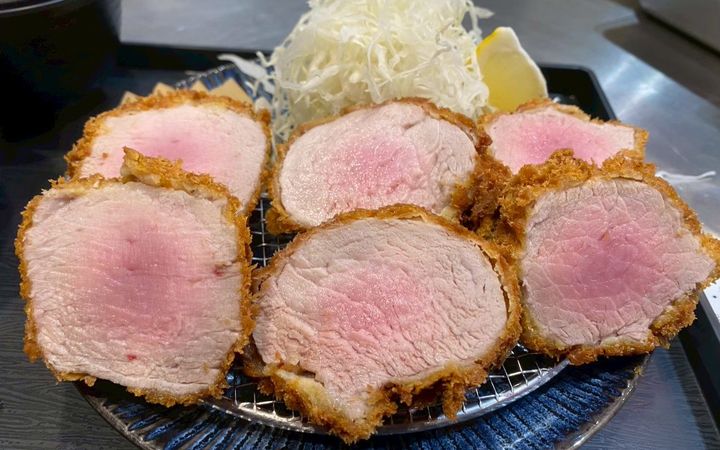
Why the best tonkatsu is still pink in the middle, what the USDA actually says about pork at 145°F (63°C), and the double-fry method from my kitchen: 140°C oil to cook the inside, 180°C to crisp the crust, and the rests in between.
Nobody invented tonkatsu from nothing. It began as the French côtelette, and a small Ginza restaurant called Rengatei made three decisions around 1899 that turned it into Japan's pork cutlet. The full history, from a 1,200-year ban on meat to the name tonkatsu.
Leave your email and I will write only when a new book opens for pre-order or an English edition is ready. Nothing else.
Write in English and I will reply in English. Publishers and translators, please mention which title you are asking about. For trips, the tour website has its own contact form.